


CARBOX 830 | Coconut Shell Granular Activated Carbon | Biotech Aquatica
CARBOX 830 | Coconut Shell Granular Activated Carbon | Biotech Aquatica
CARBOX 830
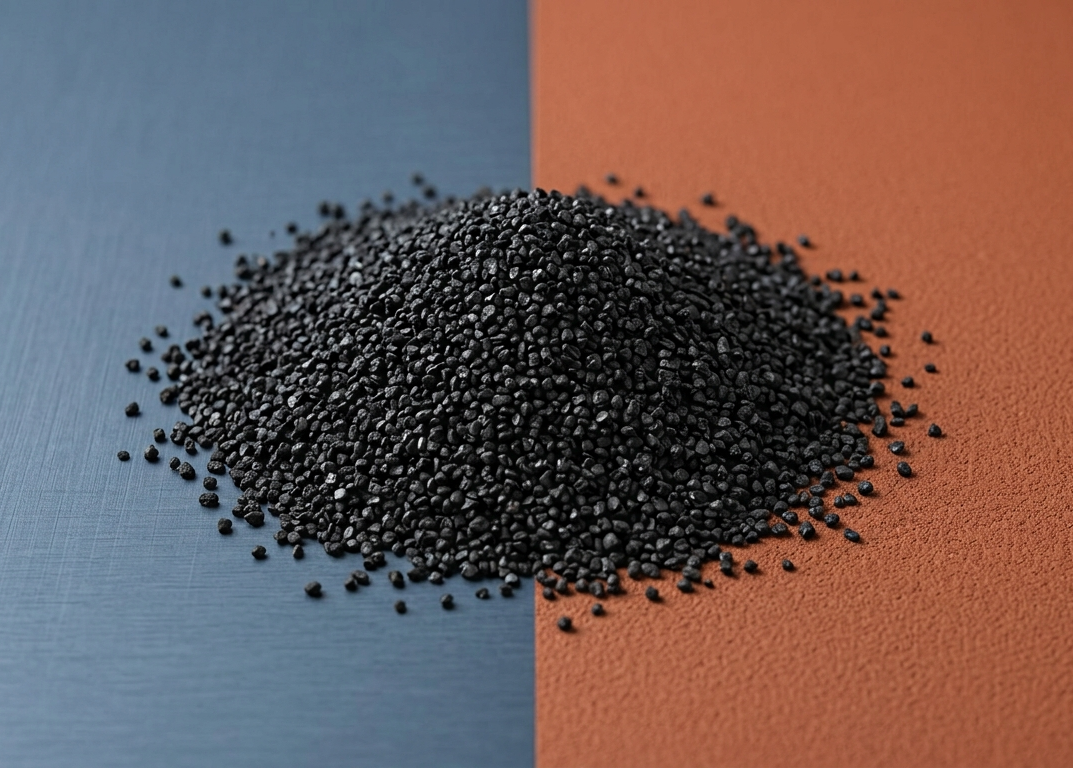
Coconut shell granular activated carbon. 1100+ m²/g surface area, >95% micropore volume. The 8×30 mesh (0.6–2.3 mm) delivers maximum treatment per pass — sized for fluidisation, retained by 500 micron bags.

The Difference
Not all carbon is created equal. Here's why coconut shell GAC outperforms generic carbon in aquaculture and water treatment.
>95% Micropore Volume
Virtually all pore space is sub-2nm micropores. These tiny pores adsorb the small organic molecules (DOC, geosmin, MIB, medication residues, phenols) that cheap, broad-pore carbon misses entirely.
1100+ m²/g Surface Area
1100–1150 m²/g total surface area with 55% CTC activity and ≥1050 mg/g iodine number. Every gram has more adsorption sites than most competitors — more contaminant removal per pass.
98% Hardness · Low Dust
Industry-leading hardness means less fracturing, fewer fines, and longer bed life. Very low dust means crystal clear water from the first rinse — critical in display aquaria and broodstock systems.
Perfect 8×30 Mesh Size
0.6–2.3 mm granules — small enough for maximum surface area and treatment per pass, large enough for excellent fluidisation. Retained by any 500 micron or smaller mesh bag. No bypass, no blow-through.
What's Inside
Every specification engineered for performance. Coconut shell base, steam activated, graded to 8×30 mesh for the filtration professional.
Total Surface Area
1100–1150 m²/g measured by N₂ BET method. Massive internal surface for maximum contaminant adsorption in a single pass.
Micropore Volume
>95% of total pore volume in the sub-2nm micropore range. This is what separates high-grade coconut shell carbon from generic coal-based alternatives.
Iodine Number
≥1050 mg/g per ASTM D4607. High iodine adsorption confirms excellent microporosity for small-molecule removal.
CTC Activity
55% per ASTM D3467. Carbon tetrachloride activity measures overall adsorption capacity — 55% is a high-performance grade.
Hardness
≥98% per ASTM D3802. Exceptional resistance to attrition — longer bed life, fewer fines, less maintenance.
Apparent Density
≥0.45 g/ml per ASTM D2854. High density for its class — won't float during backwash, stays where you put it.
Ash & Moisture
≤8% ash (ASTM D2866) and ≤5% moisture (ASTM D2867). Low impurities mean more active carbon per kilogram.
Pore Structure
0.45–0.5 cm³/g total pore volume with >95% in the micropore range (<2nm). Engineered for small-molecule organic adsorption.
Contaminants Removed
CARBOX830's >95% micropore volume targets the small organic molecules that broad-pore carbons miss. Here's what it adsorbs from your water.
Dissolved Organic Compounds (DOC)
Yellow water, tannins, humic acids. The micropore structure targets the low molecular weight organics that cause discolouration and feed nuisance algae in recirculating systems.
Taste & Odour Compounds
Geosmin and 2-MIB. The musty, earthy smell in aquaculture water — the exact molecules coconut shell micropores are optimised to adsorb at low concentrations.
Chlorine & Chloramine
Municipal water treatment residuals. CARBOX830 neutralises free chlorine and breaks chloramine bonds — essential for water changes and hatchery makeup water.
Medication & Antibiotic Residues
Post-treatment cleanup. After formalin, malachite green, antibiotic, or copper treatments, CARBOX830 adsorbs residual actives to protect biofilters and sensitive species.
VOCs & Phenols
Volatile organic compounds and phenolic compounds. Byproducts of organic decomposition, plastic off-gassing, and source water contamination. Adsorbed at low concentrations by the micropore structure.
Pesticides & Herbicides
Agricultural runoff compounds. Source water in regional and rural areas carries trace pesticides and herbicides — CARBOX830 captures these before they reach stock.
Endocrine Disruptors
Pharmaceuticals and synthetic hormones. Trace compounds that affect reproduction in fish and crustaceans. The sub-2nm pore structure targets these small molecules effectively.
Hydrogen Sulphide & Mercaptans
Rotten egg smell. Produced by anaerobic zones in systems with detritus buildup. CARBOX830 adsorbs these sulphur compounds, protecting stock health and worker safety.
Quick Start
From bag to filter in four steps. Works in media bags, fluidised reactors, and pressurised filter housings.
Rinse Thoroughly
Flush with fresh water until it runs clear. This carbon has very low dust, but a quick rinse ensures crystal clear water from the start. Use a 500μm or finer bag if running loose.
Load Your Filter
Place in a media bag, fluidised reactor, or pressurised filter housing. The 0.6–2.3 mm granules fluidise evenly and won't compact or channel under normal flow rates.
Maximise Contact Time
Slower flow = better adsorption. Aim for adequate contact time through the carbon bed. In RAS and recirculating systems, position downstream of biological filtration for best results.
Replace Regularly
Replace every 4–8 weeks depending on bioload and water quality. Spent carbon cannot be regenerated in the field — fresh carbon maintains peak adsorption capacity.
Tech Specs
| Parameter | Value | Test Method |
|---|---|---|
| Total Surface Area | 1100–1150 m²/g | N₂ BET Method |
| CTC Activity | 55% | ASTM D3467 |
| Iodine Number, min | 1050 mg/g | ASTM D4607 |
| Hardness, min | 98% | ASTM D3802 |
| Apparent Density, min | 0.45 g/ml | ASTM D2854 |
| Ash Content, max | 8% | ASTM D2866 |
| Moisture, max | 5% | ASTM D2867 |
| Total Pore Volume | 0.45–0.5 cm³/g | — |
| Micropore Volume | >95% | — |
| Micropore Size | <2 nm | — |
| Mesh Size | 8×30 (0.6–2.3 mm) | min 90% |
All specifications are typical values. Tested per ASTM methods where indicated.
FAQ
Trade & Wholesale
Need bulk quantities for commercial aquaculture, hatcheries, or water treatment operations? We supply carbon by the bag, pallet, or container load — with pricing to match.

Total items
Product subtotal